SelectOrganic
Development of selective breeding programs
for boosting organic fish farming in Europe
SEARCH ON OUR LIBRARY
SelectOrganic is a new Horizon Europe project dedicated to unlocking the full potential of organic aquaculture
As Europe’s aquaculture sector continues to grow, its future depends on a decisive green transition and stronger commitments to fish welfare.
Organic aquaculture production can play a major role as a spear arrow in line with the European Green Deal and Farm to Fork Strategy.
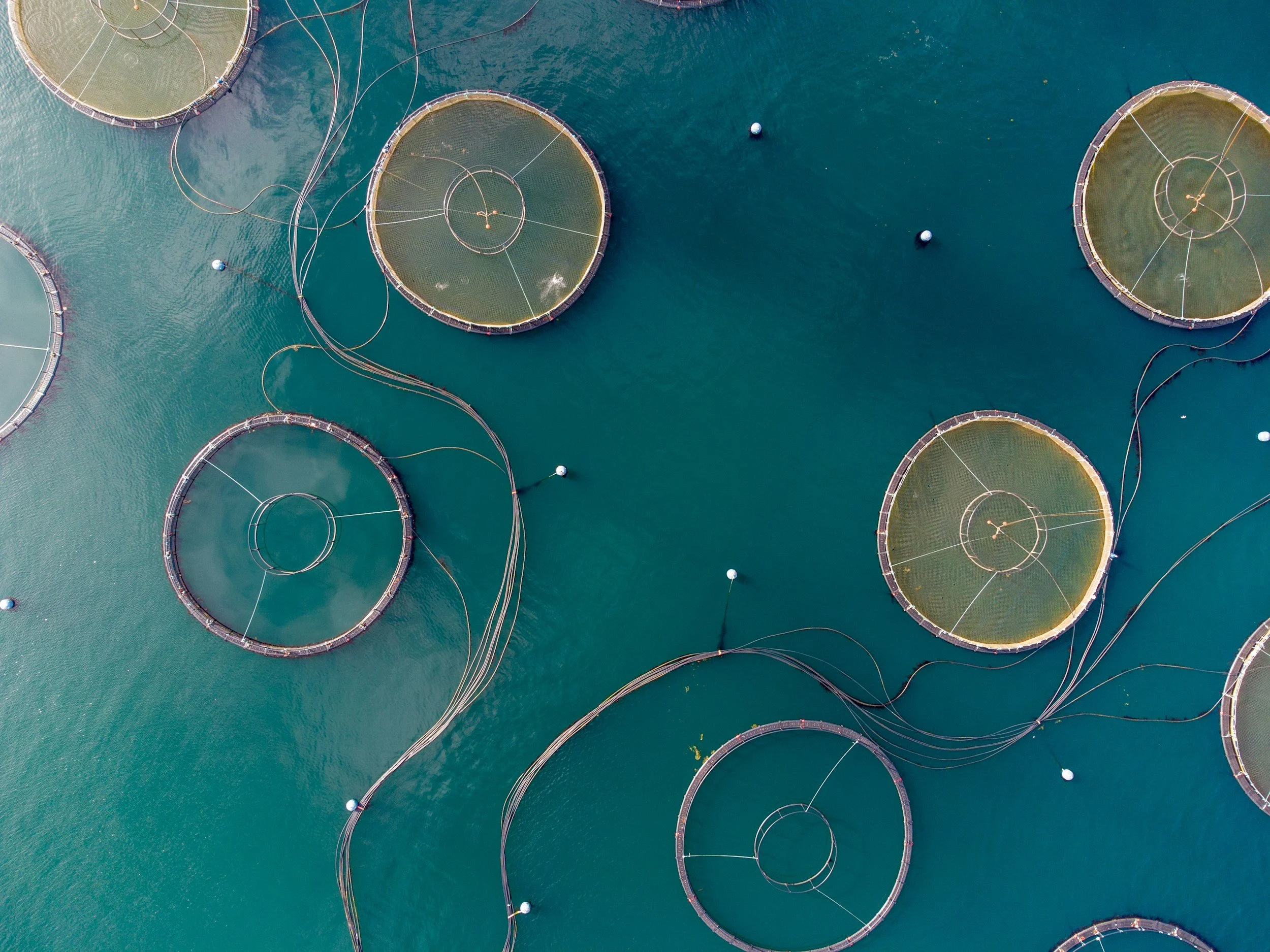
As organic aquaculture production in Europe is not yet at desired levels, significant strengthening is needed to overcome biological, technical, and economic barriers to organic farming of Atlantic salmon, rainbow trout, seabass, and seabream.
Be part of our stakeholder community
If you would like to receive newsletters of SelectOrganic and keep yourself updated on the project, join our stakeholder community by subscribing to our emailing list!
In SelectOrganic, different disciplines are brought together
in the strong pursuit of the overall and specific objectives
Knowledge gaps will be identified in the baseline assessment phase with stakeholder engagement and followed up on in further project activities on defining organic breeding objectives, considering potential interactions, breeding practices and the need for developing further specific (tailored) organic breeding programs, or to modify parts of existing conventional programs.
The project will fill knowledge gaps, by research, testing and demonstrations on phenotyping of ‘new organic’ traits (heat resilience, fish health and welfare traits, utilization of alternative feeds) and estimate genetic parameters and develop required reproduction technology methods and breeding strategies.
SelectOrganic aims to contribute to the development of selection programs for organic aquaculture that respect high standards of fish welfare
We will enhance the fish's robustness to bacterial diseases and heatwaves, while improving product quality and resource efficiency. We will achieve this through:
genetic improvement of resistance to bacterial diseases and reduced need for antibiotic treatment
genetic improvement of fish tolerance to heat waves as a result of climate change
genetic improvement of feed utilisation and the use of alternative, climate-friendly feed ingredients
genetic improvement of fish welfare and conservation of biodiversity, and thus expected greater acceptance among consumers
close collaboration with stakeholders, including breeders, farmers, consumers and authorities, to ensure relevance and impact in both industry and society as a whole.